
Our Company & Values
Our Divisions and Joint Ventures
We are a global company serving customers throughout the world. Leveraging our extensive fleet, network of regional divisions, and strategic partnerships, we offer a diverse range of services to cater to the unique requirements of our global clientèle.
Our Divisions
Canada Steamship Lines
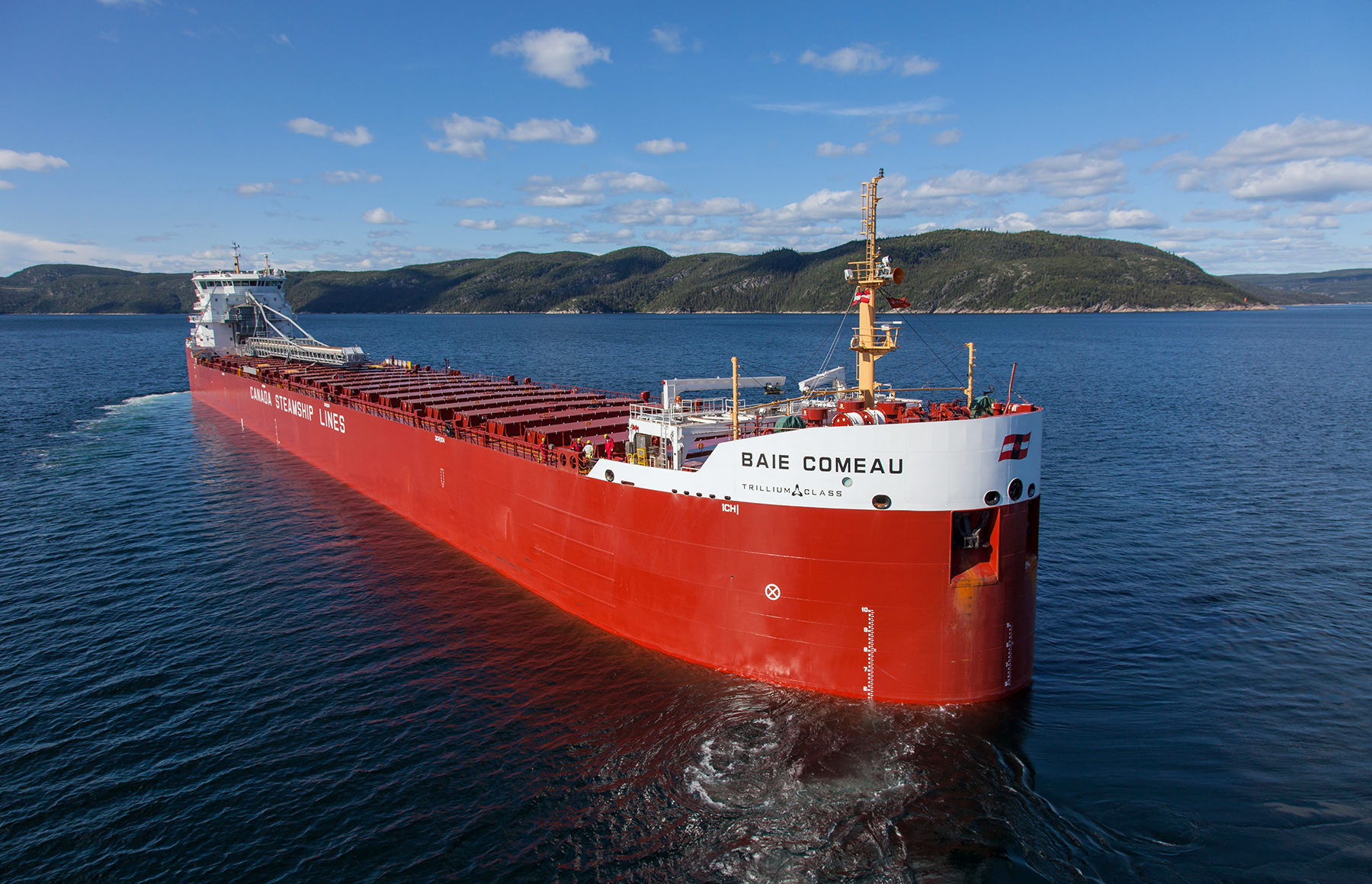
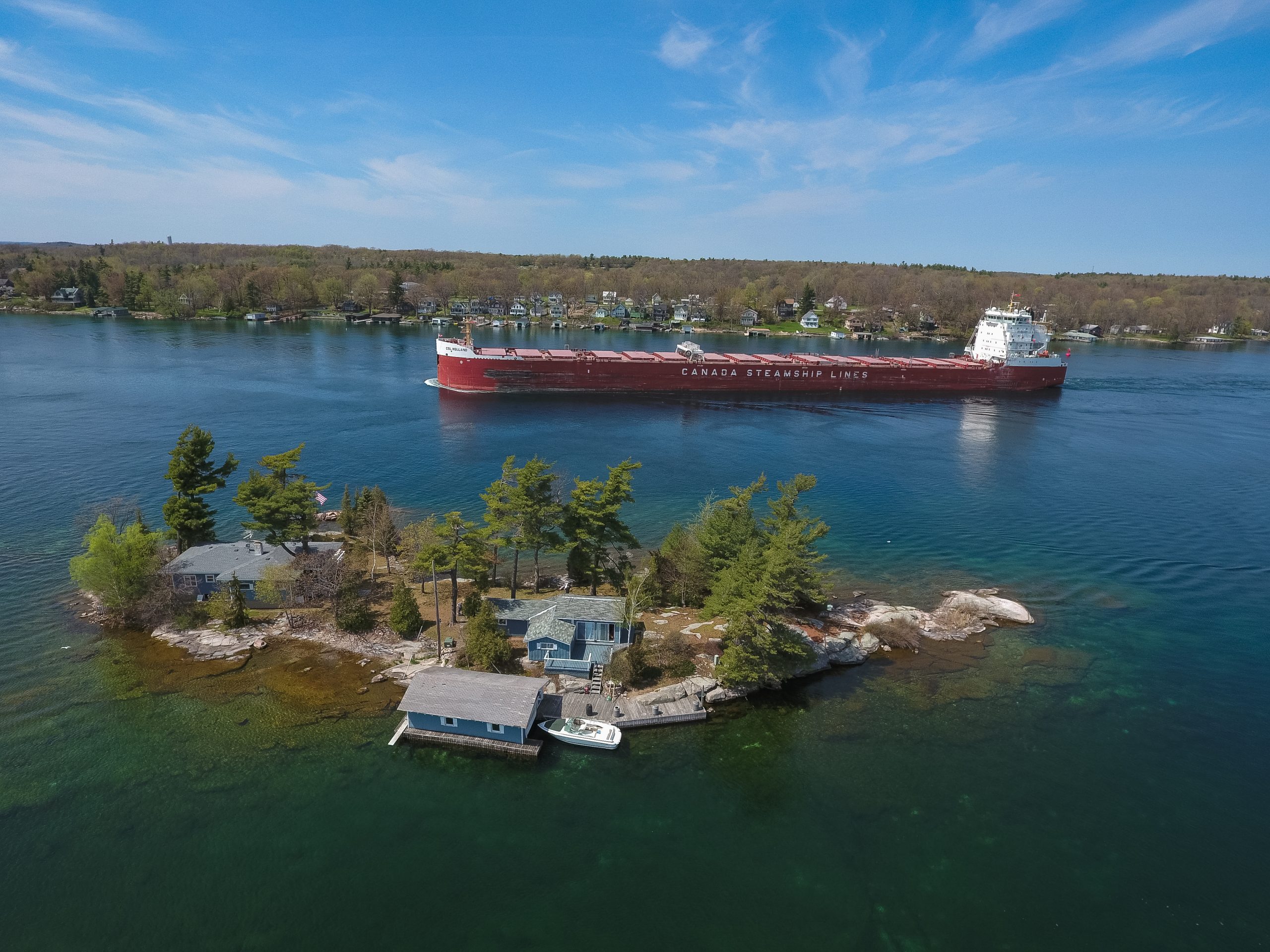
For well over a century, Canada Steamship Lines has been a trusted name in shipping, with a rich history of moving people and cargo throughout the Great Lakes, St. Lawrence Seaway and Canadian coast. Our modern fleet of self-unloaders and bulk carriers, provides innovative, high-capacity shipping solutions to meet our customers’ needs.
With offices in Montreal, St. Catharines, Halifax, and Winnipeg, our strategically located teams serve customers throughout Canada. We take pride in our experienced and skilled crew, who operate our vessels under the Canadian flag.
Our flexible and reliable fleet transports a wide range of cargoes, including iron ore, salt, grain, and aggregates. Whether it’s domestic coastal trades or moving cargo across the Great Lakes and St. Lawrence Seaway region, Canada Steamship Lines is committed to providing cost-effective and innovative shipping solutions.
CSL Americas
CSL Americas, headquartered in Boston, Massachusetts, with additional offices in Vancouver, Canada, is a leading provider of high-performance self-unloading and transhipment operations across North, South, and Central America, the Caribbean, and Africa.
Under the banner of the CSL International Pool, in partnership with Algoma Shipping Inc., we offer a diverse range of self-unloading and transhipment solutions to meet the unique needs of our customers. Our Pool provides a range of vessel sizes, from Handy to Panamax.
Our clientele hails from industries ranging from steel to agriculture, and we transport a variety of cargoes including salt, aggregate, and gypsum.

CSL Australia-Asia
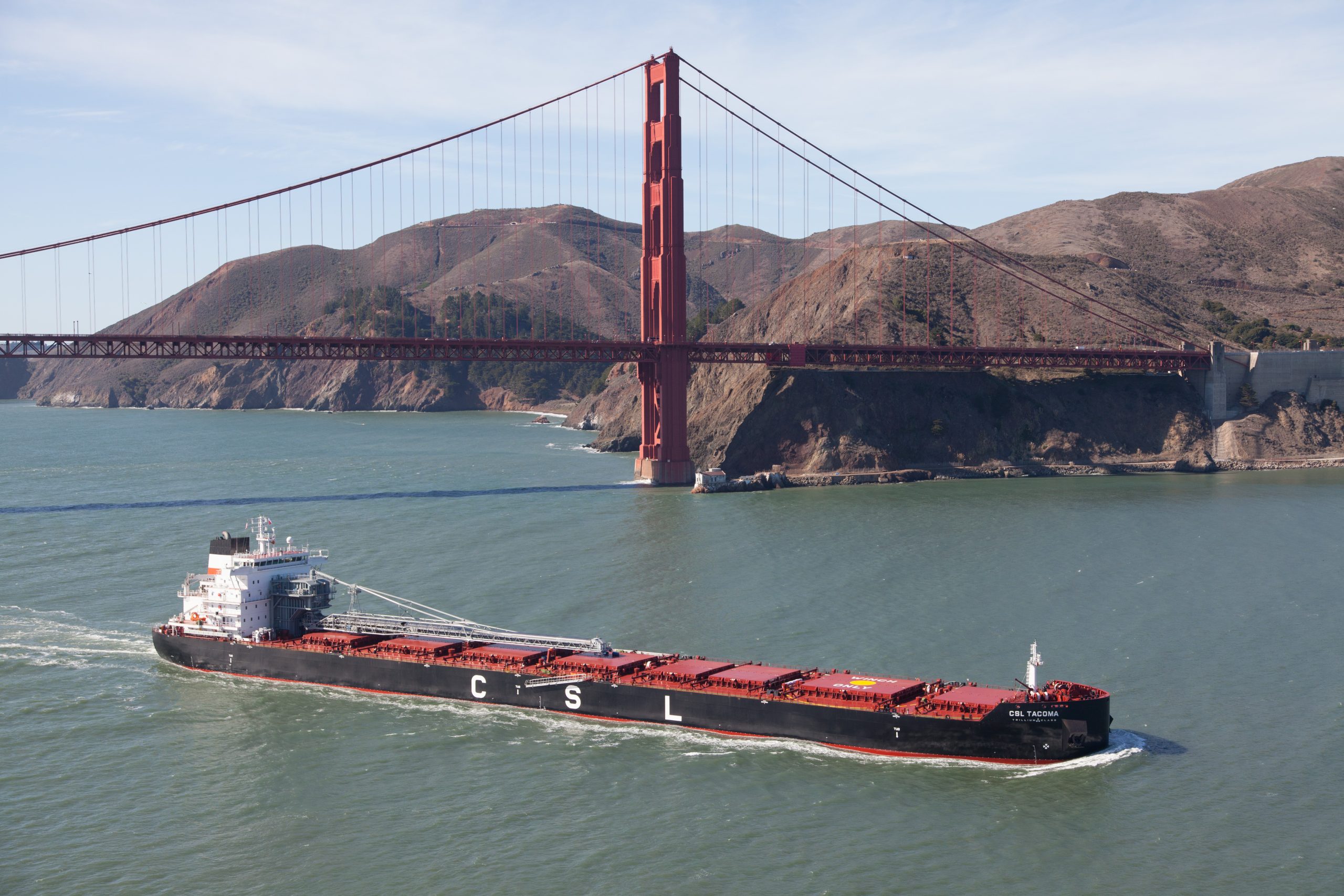
Established in 1999, CSL Australia Pty Ltd. is the largest owner/operator of dry bulk coastal vessels in Australian waters, and a major supplier of shipping services to the mining, construction and building materials industries. Headquartered in Sydney, we oversee a fleet of self-unloaders, pneumatic cement carriers and transhippers.
We specialize in self-unloading and pneumatic vessel solutions, transporting millions of tonnes of dry bulk cargo for our customers each year. This includes various types of cargo such as cement, fly ash, gypsum, clinker, limestone, iron ore and heavy mineral concentrate.
Leveraging our expertise in self-unloading solutions, our transhipment operations enable our customers to export cargo worldwide by loading large ocean-going vessels using a lower capital port solution. Our transhipment vessels enable us to provide tailor-made coastal self-unloading and transhipment solutions to our customers’ specifications.
With offices in Sydney and Perth, our local knowledge and maritime expertise are at the forefront of our operation. We customize our services to our customers’ unique needs, and our longstanding relationships with them is a testament to our commitment. Our services span both the east and west coasts of Australia, from Northern Queensland to Western Australia, including transhipment operations in Whyalla, South Australia, and Cape Preston, Western Australia.
CSL Europe
Established in 2011, CSL Europe Limited is a leading provider of short sea shipping services in Europe. Our fleet consists of innovative self-unloading bulk carriers and, through our Eureka partnership, pneumatic and mechanical cement carriers. With offices in London, United Kingdom, and Bergen, Norway, we are well-positioned to serve our customers across the European coastal markets.
We specialize in offering long-term shipping solutions to industrial clients, prioritizing environmentally friendly and cost-effective bulk supply chains. Our approach leverages the self-unloading capabilities of our vessels, such as high discharge rates and single point discharge for enhanced efficiency.
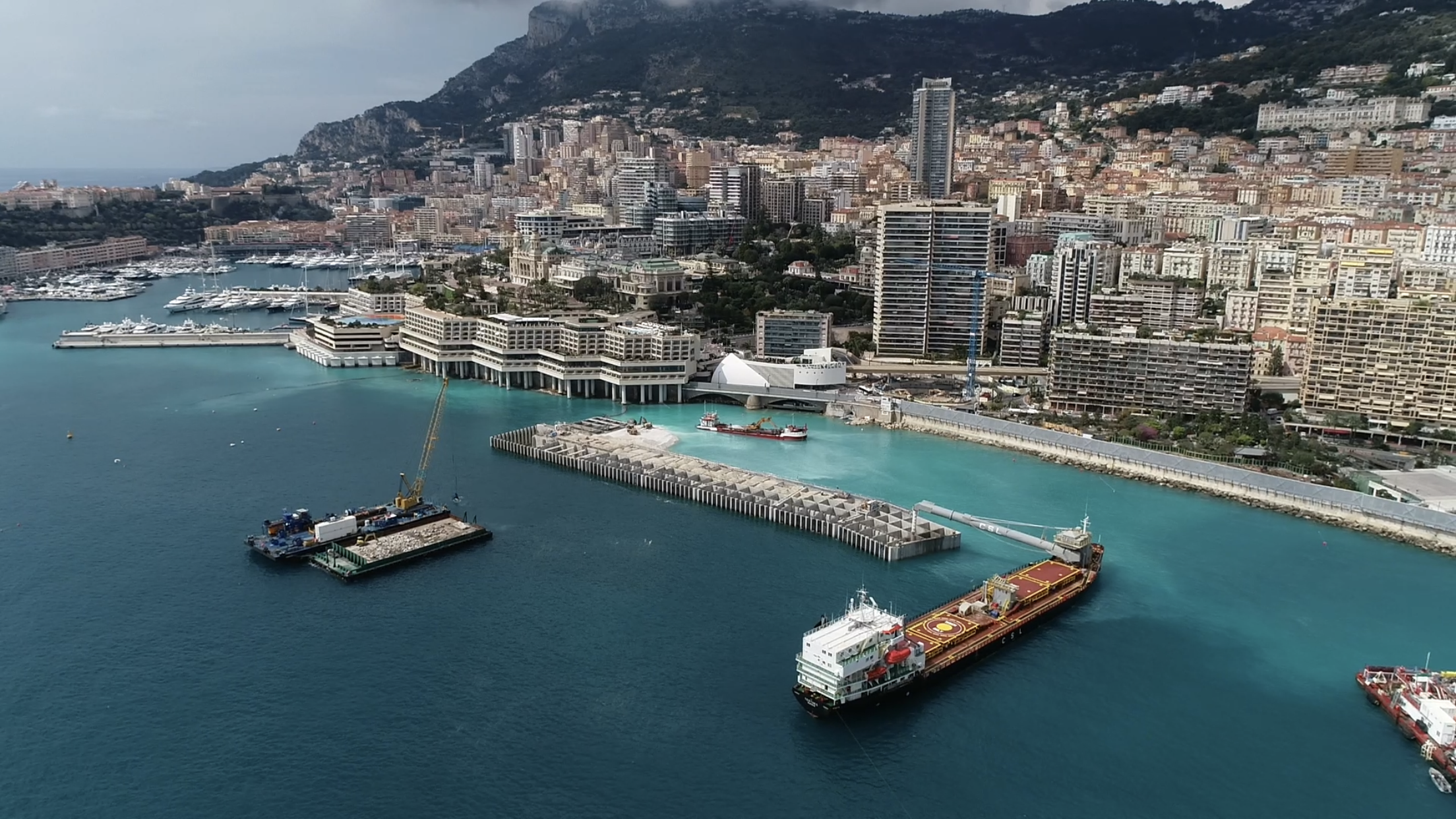
We are experts in offshore projects that involve ship-to-ship transfers of aggregates for seabed installation and direct discharges of ballast material to offshore structures and caissons.
Our team of maritime experts works closely with customers to deliver flexible, efficient, and cost-effective cargo solutions.
CSL AFRICA
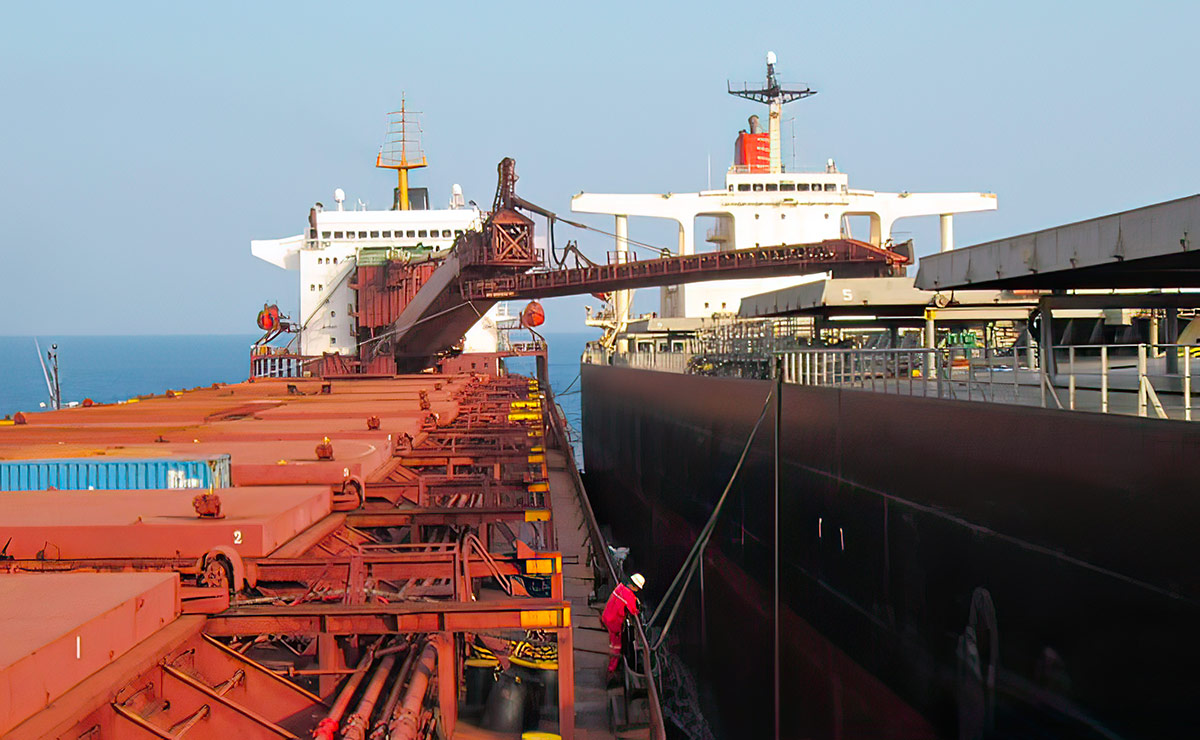
CSL first began operating in West Africa in 2013, with the transhipment of iron ore in Buchanan, Liberia. Since then, we have provided transhipment services in both Sierra Leone (also iron ore), in Guinea (bauxite) and in Ghana (manganese).
Over the decade we have been operating in West Africa, our transhipment services in this region have grown steadily and today we operate a fleet of 17 vessels, including transhippers, tugs, barges and shuttle vessels.
Our main area of business in West Africa continues to be our transhipment services. Our bespoke solutions have proved to be highly effective in remote and environmentally sensitive areas without access to deep-water ports, where high-volume, open-sea transhipment is required.
Our Joint Ventures
To complement our operations, we’ve established strategic partnerships through various joint ventures, which expand and diversify our asset base and services.
CANDEU
CANDEU is a 50/50 joint venture between CSL and Hartmann Schiffsbeteiligungen GmbH & Co. KG. CANDEU built and owns two 40,700 DWT self-unloaders, both of which are under time charter with Mibau-Stema.
EMS-Tech Inc.
CSL has a strategic minority stake in Canadian engineering firm EMS-Tech Inc., an industry leader in the design and supply of bulk material handling systems.
Eureka Shipping Ltd.
Eureka Shipping is a 50/50 joint venture between CSL and SMT Shipping. Eureka is a leading provider of pneumatic and mechanical cement carriers, which it owns and manages in Europe.
Mariac Belt Shipping
Mariac Belt Shipping is a 50/50 joint venture between CSL and SMT Shipping. Mariac currently operates transhippers, bulk carriers, multi-purpose product (MPP) vessels and tugs in the Americas, the Caribbean and West Africa.
Marbulk Shipping
Marbulk Shipping is a 50/50 joint venture between CSL and Algoma Central Corporation that owns a 50 percent stake in MV Weser Stahl. The remaining 50% ownership of the vessel is held by the Bernard Schulte Group.